
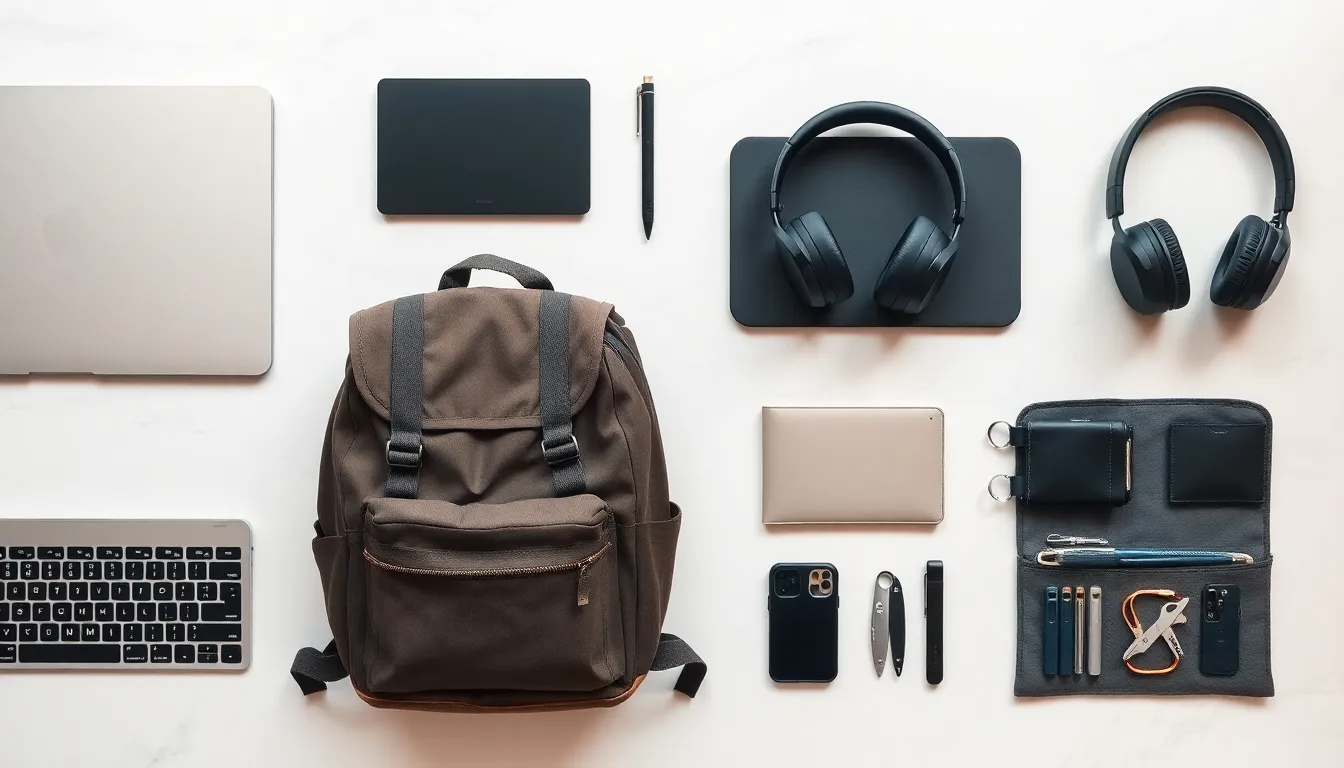
Finding the best gear recommendations can feel overwhelming. Hundreds of products compete for attention, and marketing claims blur the line between genuinely useful items and overhyped gadgets. This guide cuts through the noise.
Whether someone needs outdoor equipment, tech accessories, or everyday essentials, the right gear makes a real difference. Quality gear lasts longer, performs better, and often saves money over time. Poor choices lead to frustration, wasted cash, and gear that fails at critical moments.
This article covers how to evaluate gear before buying, highlights top picks for outdoor enthusiasts, breaks down essential tech and daily-use items, and shares budget-friendly options that deliver real value. Each recommendation reflects practical performance, not just brand popularity or flashy features.
Table of Contents
ToggleKey Takeaways
- The best gear recommendations match products to your specific use case, preventing overspending and underperformance.
- Prioritize durability by checking material quality—ripstop nylon, aluminum frames, and stainless steel hardware outlast cheaper alternatives.
- Read three and four-star reviews strategically to find honest feedback about both strengths and weaknesses.
- For outdoor enthusiasts, invest in reliable brands like Osprey, Salomon, and Patagonia that deliver proven performance under pressure.
- Budget-friendly brands like Anker, Decathlon, and REI Co-op offer excellent value without major quality compromises.
- Start with affordable gear for new activities, then upgrade once you confirm regular use to maximize long-term value.
How to Choose the Right Gear
Smart gear selection starts with understanding actual needs. A weekend camper doesn’t need the same backpack as a thru-hiker. Someone who types all day has different keyboard requirements than a casual user. Matching gear to specific use cases prevents overspending and underperformance.
Assess Your Primary Use Case
Before browsing products, buyers should answer a few direct questions. How often will this gear be used? What conditions will it face? What’s the realistic budget? These answers filter out 80% of irrelevant options immediately.
For example, a runner shopping for headphones should prioritize sweat resistance, secure fit, and battery life. Sound quality matters, but it’s secondary to whether they’ll stay in place during a sprint. The best gear recommendations always consider context first.
Prioritize Durability and Materials
Cheap materials fail. This sounds obvious, but many buyers focus on features while ignoring construction quality. A jacket with ten pockets means nothing if the zippers break after three months.
Look for specific material indicators. Ripstop nylon outlasts standard nylon in outdoor gear. Aluminum frames beat plastic in portable equipment. Stainless steel hardware resists corrosion better than zinc alloy. These details often appear in product specs, reading them takes thirty seconds and saves future headaches.
Read Reviews Strategically
Not all reviews help equally. Five-star reviews often lack detail. One-star reviews frequently reflect user error or shipping damage. The most useful feedback sits in the three and four-star range, where reviewers explain both strengths and legitimate weaknesses.
Look for patterns. If multiple reviewers mention the same flaw, it’s probably real. If complaints seem isolated or contradictory, they may reflect individual circumstances rather than product issues.
Top Gear Picks for Outdoor Enthusiasts
Outdoor gear demands performance under pressure. Equipment that works fine in a backyard may fail on a mountain trail. These recommendations prioritize reliability, weight efficiency, and proven track records.
Hiking and Backpacking Essentials
A quality backpack forms the foundation of any outdoor kit. Osprey and Gregory consistently produce packs that balance comfort with durability. The Osprey Atmos AG 65 remains a top choice for multi-day trips, featuring excellent ventilation and adjustable suspension.
Footwear matters just as much. Salomon and Merrell offer trail shoes and boots across price points. For most hikers, a mid-weight boot like the Salomon X Ultra 4 Mid GTX provides ankle support and waterproofing without excessive bulk.
Camping Gear That Delivers
Tents, sleeping bags, and cooking systems represent significant investments. REI Co-op and Big Agnes produce tents that balance weight, weather protection, and setup ease. The Big Agnes Copper Spur HV UL series has earned loyal followers among backpackers.
For sleeping bags, temperature ratings matter more than brand loyalty. Match the rating to expected conditions, and remember that ratings assume users sleep with a pad underneath. A 20°F bag won’t hit that rating on bare ground.
Layering Systems That Work
Outdoor clothing follows a simple principle: layers beat single heavy garments. A base layer wicks moisture. A mid-layer insulates. An outer layer blocks wind and rain. This system adapts to changing conditions better than any single jacket.
Patagonia’s Nano Puff and Arc’teryx’s Atom LT remain popular mid-layer choices. Both compress well for packing and provide warmth without bulk. For outer layers, Gore-Tex shells from brands like Outdoor Research offer proven water resistance.
Essential Gear for Tech and Everyday Use
Daily-use gear faces different challenges than outdoor equipment. It needs to survive commutes, office environments, and constant handling. The best gear recommendations for everyday life combine functionality with reasonable aesthetics.
Work-From-Anywhere Tech
Remote work has changed gear priorities. A reliable laptop stand, external keyboard, and quality webcam transform any space into a productive workspace.
The Logitech MX Keys keyboard offers comfortable typing and seamless switching between devices. For webcams, the Logitech C920 remains a solid mid-range option years after release. Those wanting better video quality should consider the Elgato Facecam or similar dedicated streaming cameras.
Noise-canceling headphones have become essential for focused work. Sony’s WH-1000XM5 and Apple’s AirPods Max lead in noise cancellation performance. Budget-conscious buyers find good value in the Sony WH-1000XM4 or Jabra Elite 85h.
Everyday Carry Essentials
The everyday carry (EDC) category covers items people use daily. A quality wallet, reliable flashlight, and versatile multi-tool handle most situations.
Ridge and Bellroy produce slim wallets that minimize pocket bulk. For flashlights, Olight and Fenix offer compact models with impressive output. The Leatherman Free P2 provides pliers, knives, and screwdrivers in a one-hand-operable package.
Bags and Organization
A good bag protects gear and keeps items accessible. Peak Design’s Everyday Backpack appeals to photographers and general users alike. Timbuk2’s messenger bags suit urban commuters who prefer shoulder carry.
Organization accessories like cable pouches and tech organizers prevent tangled messes. Peak Design’s Tech Pouch and Bellroy’s Tech Kit both solve this problem effectively.
Budget-Friendly Gear Options Worth Considering
Quality gear doesn’t always require premium prices. Several brands deliver excellent performance at lower price points. These budget-friendly picks offer real value without major compromises.
Outdoor Gear on a Budget
Decathlon’s Quechua and Forclaz lines provide entry-level outdoor gear at remarkable prices. Their tents, sleeping bags, and clothing won’t match premium brands in weight or packability, but they perform well for casual users and beginners.
REI Co-op’s house brand offers a middle ground between budget and premium. The Co-op Flash 22 daypack costs significantly less than comparable Osprey models while delivering similar functionality.
For footwear, Merrell’s Moab line consistently appears in best gear recommendations at the $100-$150 range. These boots sacrifice some weight savings but deliver durability and comfort.
Affordable Tech That Performs
Anker dominates the budget tech accessory market for good reason. Their chargers, cables, and power banks match or exceed more expensive alternatives in reliability. The Anker PowerCore series offers portable charging at various capacities.
For headphones, the Soundcore Life Q30 (an Anker sub-brand) provides noise cancellation at a fraction of Sony or Bose prices. Sound quality won’t match premium models, but most users find it perfectly acceptable.
Amazon Basics covers simple needs, cables, organizers, and basic accessories, at hard-to-beat prices. Quality varies, but reviews help identify winners.
When to Spend More
Budget gear works well for occasional use or testing new activities. Once someone confirms they’ll use gear regularly, upgrading makes sense. A $50 rain jacket works fine for monthly hikes. Daily outdoor workers need something more durable.

