
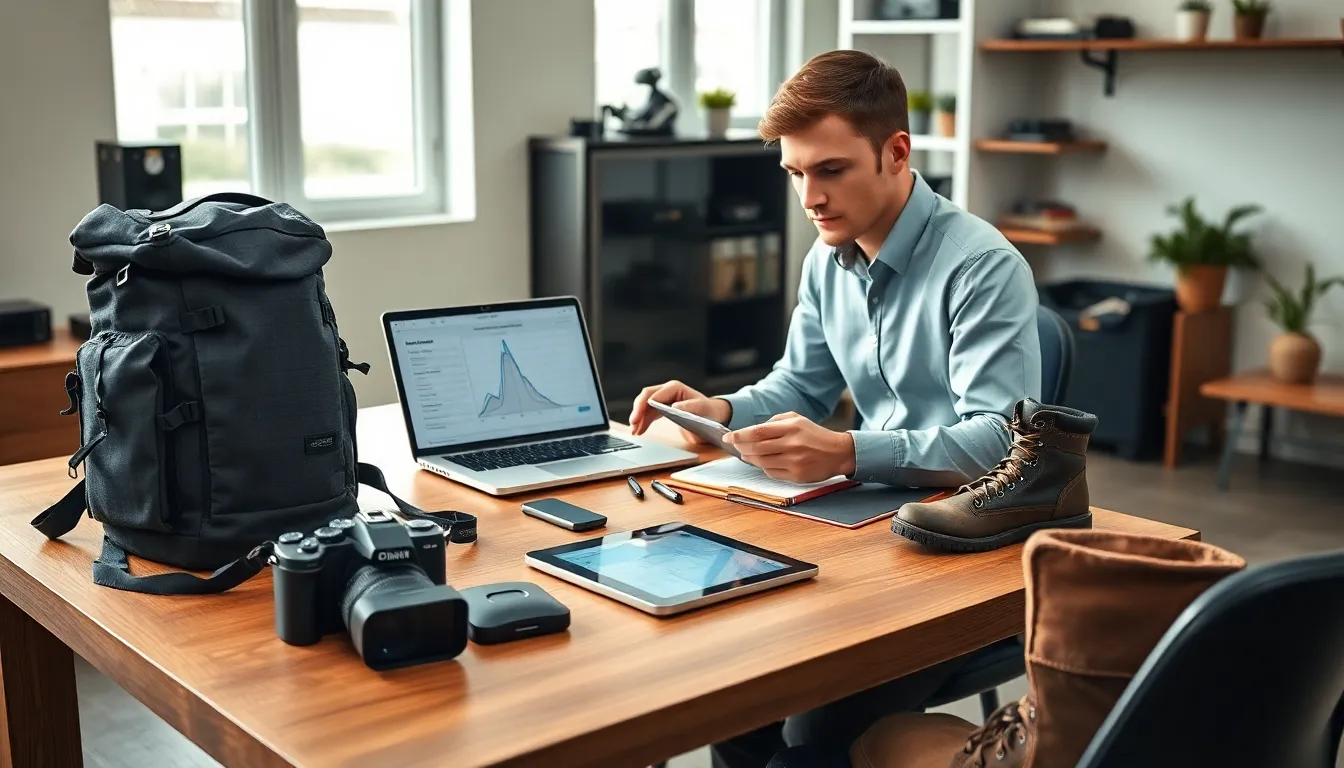
Gear recommendations examples help people make smarter buying decisions. Whether someone is shopping for hiking boots, camera lenses, or camping stoves, a solid recommendation can save hours of research and prevent costly mistakes. But what makes a gear recommendation actually useful? And how can readers find trustworthy advice, or create their own?
This guide breaks down what gear recommendations are, shares real-world examples across different categories, and explains how to write and find equipment picks that people will actually trust.
Table of Contents
ToggleKey Takeaways
- Effective gear recommendations explain why a product works, who it’s best for, and how it compares to alternatives—not just features.
- Strong gear recommendations examples include specific details like pricing, key specs, ideal user profiles, and honest trade-offs.
- Always mention downsides and alternatives to build credibility—recommendations that only praise products seem like advertisements.
- Find trustworthy gear advice by combining professional reviews (like Wirecutter or Outdoor Gear Lab) with real user experiences from forums and YouTube creators.
- Update gear recommendations at least once per year to account for new models, price changes, and discontinued products.
What Are Gear Recommendations?
Gear recommendations are suggestions for specific equipment based on experience, research, or expertise. They go beyond simple product listings. Good gear recommendations explain why a particular item works well, who it’s best for, and how it compares to alternatives.
A gear recommendation might come from a professional athlete, an experienced hobbyist, or a product reviewer. The source matters. Readers trust recommendations from people who have actually used the gear in real conditions.
These recommendations serve several purposes:
- Saving time – Instead of reading dozens of reviews, readers get curated picks.
- Building confidence – A trusted recommendation reduces buyer hesitation.
- Providing context – Good picks explain use cases, not just features.
Gear recommendations examples vary widely depending on the audience. A recommendation for beginner photographers looks different from one aimed at professionals. The best recommendations match the gear to the reader’s skill level, budget, and intended use.
Examples of Effective Gear Recommendations
Looking at gear recommendations examples helps illustrate what works. Below are two categories where strong recommendations make a real difference.
Outdoor and Adventure Gear
Outdoor enthusiasts rely heavily on gear recommendations because equipment choices can affect safety and comfort. Here’s an example of an effective recommendation:
Example: “For three-season backpacking under $300, the REI Co-op Flash 55 pack offers excellent weight distribution and ventilation. It weighs 2 lbs 6 oz and fits torsos from 15 to 21 inches. Hikers who prioritize ultralight setups might prefer the Gossamer Gear Mariposa, but the Flash 55 provides better durability for rough trails.”
This recommendation works because it:
- Names a specific product with price context
- Lists key specs (weight, fit range)
- Identifies the ideal user
- Offers an alternative for different priorities
Another strong pattern in outdoor gear recommendations is the “best for” format. Writers categorize picks by use case: best budget tent, best tent for winter camping, best tent for tall people. This structure helps readers find relevant options quickly.
Tech and Photography Equipment
Tech gear recommendations require different considerations. Specs matter more, and products become outdated faster. Here’s an effective example:
Example: “The Sony A7 IV remains the best hybrid camera for creators who shoot both video and stills. Its 33MP sensor delivers sharp images, and 4K 60fps video handles most professional needs. Photographers who focus only on stills might save money with the Canon EOS R6 Mark II, which offers faster autofocus tracking.”
Strong tech gear recommendations include:
- Current pricing and availability notes
- Comparison to direct competitors
- Specific use cases (video vs. stills, professional vs. hobbyist)
- Honest trade-offs
Gear recommendations examples in tech often include spec tables or quick-reference charts. These formats help readers compare options at a glance without reading full paragraphs for each product.
How to Write Your Own Gear Recommendations
Creating useful gear recommendations requires more than listing favorite products. Writers should follow a clear structure that builds reader trust.
Start with credentials. Explain why the recommendation matters. Did the writer test the gear for six months? Do they have professional experience in the field? Readers want to know the basis for the opinion.
Be specific about use cases. A hiking boot recommendation should specify terrain type, weather conditions, and foot shape considerations. Vague statements like “great for outdoor use” don’t help anyone.
Include honest downsides. Every product has weaknesses. Gear recommendations that only praise products seem like advertisements. Mentioning a backpack’s weak hip belt padding or a camera’s poor battery life builds credibility.
Compare to alternatives. Readers rarely choose between buying one product or nothing. They choose between several options. Strong gear recommendations explain why one pick beats the competition, and when a different choice makes sense.
Update regularly. Gear changes. Prices drop, new models release, and manufacturers discontinue products. Writers should review and update their gear recommendations at least once per year.
These principles apply whether someone writes gear recommendations for a blog, YouTube channel, or social media post. The format changes, but the fundamentals stay the same.
Where to Find Trustworthy Gear Advice
Finding reliable gear recommendations requires knowing where to look, and what to avoid.
Specialty publications like Outdoor Gear Lab, Wirecutter, and DPReview (for photography) employ professional testers. They use standardized methods and compare products directly. These sources offer some of the most thorough gear recommendations examples available.
YouTube creators provide hands-on perspectives. Channels focused on specific niches (backpacking, cycling, filmmaking) often feature long-term reviews. Look for creators who show actual field use rather than just unboxing videos.
Reddit communities and forums offer crowd-sourced opinions. Subreddits like r/CampingGear or r/photography contain thousands of user experiences. The downside? Quality varies, and popular opinions aren’t always correct.
Brand-agnostic blogs from experienced practitioners often provide the most honest takes. A mountain guide’s personal gear list carries weight because their livelihood depends on reliable equipment.
Red flags to watch for:
- Recommendations that only include affiliate-heavy products
- No mention of downsides or alternatives
- Outdated information (check publication dates)
- Writers with no stated experience using the gear
The best approach combines multiple sources. Check professional reviews for testing data, then read user experiences for long-term durability insights. Cross-referencing gear recommendations leads to better purchasing decisions.

