
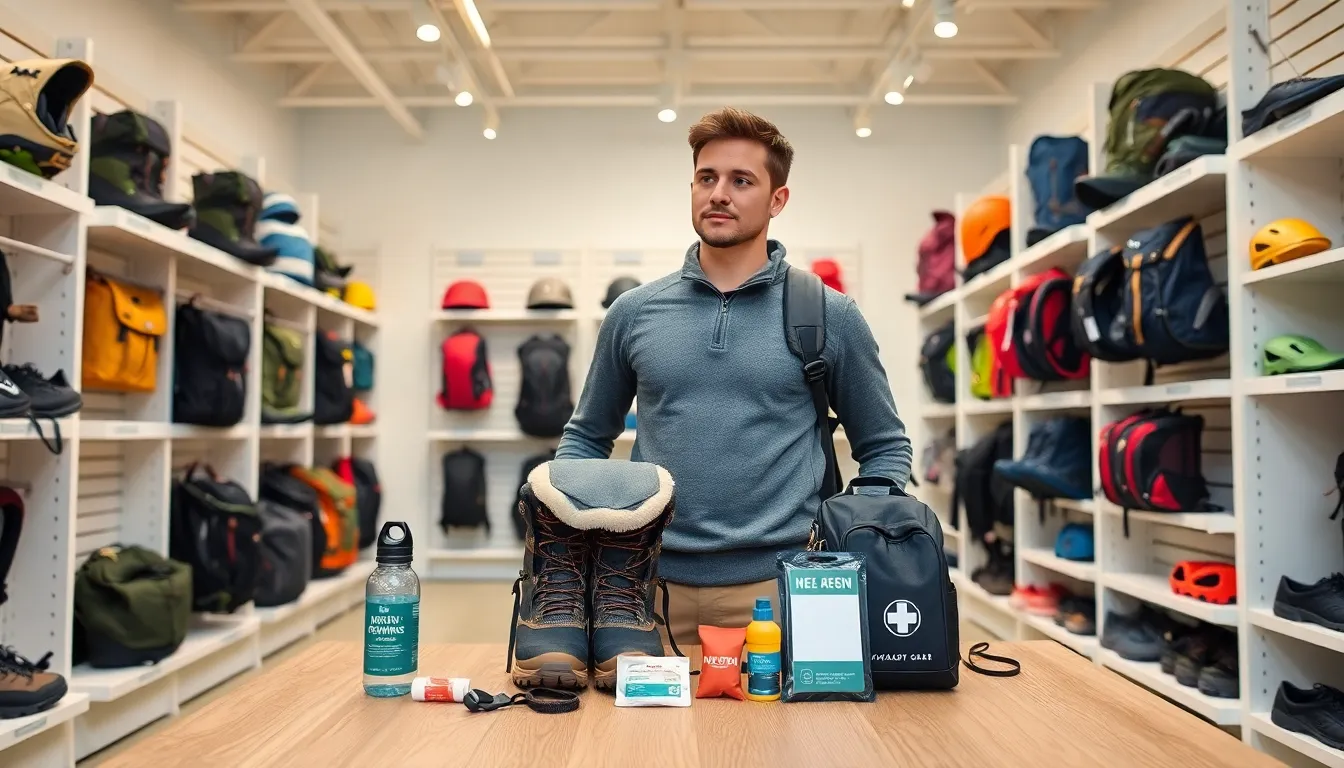
Finding the right gear recommendations for beginners can feel overwhelming. Stores push expensive equipment. Online forums argue about brands. And everyone seems to have a different opinion on what’s “essential.” Here’s the truth: most beginners buy too much stuff they don’t need and skip items that actually matter.
This guide cuts through the noise. It covers the gear that delivers real value, where to spend money wisely, and common mistakes that drain budgets fast. Whether someone is picking up a new hobby or starting a fresh outdoor pursuit, these gear recommendations for beginners will help them build a smart, functional kit without wasting cash.
Table of Contents
ToggleKey Takeaways
- Start with essential gear first—primary equipment, safety items, and basic accessories—before buying specialty products you may never use.
- Invest more in footwear and items that contact your body for extended periods, as these directly impact comfort and safety.
- Save money on accessories, trendy features, and consider buying quality used gear from outdoor swaps or secondhand stores.
- Avoid common beginner mistakes like buying everything at once, following influencer hype, or prioritizing price over proper fit.
- Build your gear collection gradually using a three-phase approach: start minimal, upgrade based on real experience, then refine over time.
- The best gear recommendations for beginners prioritize function over features and let hands-on experience guide future purchases.
Start With the Essentials First
Every hobby or activity has a core set of gear that makes everything else possible. Beginners should identify these items first and resist the urge to buy accessories before owning the basics.
For most activities, the essentials fall into three categories:
- Primary equipment: The main tool or item required to participate. A camera for photography. A tent for camping. Running shoes for running. This piece deserves the most research.
- Safety gear: Items that prevent injury or protect against the elements. Helmets, gloves, proper footwear, or weather-appropriate clothing fit here.
- Basic accessories: A few support items that make the primary equipment functional. Think memory cards for cameras, sleeping bags for camping, or water bottles for hiking.
The key to smart gear recommendations for beginners? Buy these categories in order. Primary equipment comes first. Safety gear comes second. Accessories fill in the gaps.
Many beginners make the mistake of buying specialty items too early. They grab a fancy tripod before learning manual camera settings. They purchase a four-season tent when they only camp in summer. These purchases sit unused while the basics get all the actual use.
Start simple. Learn the activity. Let experience guide future purchases. The best gear recommendations for beginners always prioritize function over features.
Quality Over Quantity: Where to Invest Your Budget
Not all gear deserves equal spending. Smart beginners put more money into items they’ll use frequently and items that affect safety or comfort directly.
Where to Spend More
Footwear tops the list for any physical activity. Bad shoes cause blisters, joint pain, and injuries. Quality footwear lasts longer and performs better. This applies to hiking boots, running shoes, climbing shoes, and cycling cleats.
Anything that touches the body for extended periods deserves investment. Backpacks, saddles, sleeping pads, and base layers fall into this category. Cheap versions create discomfort that ruins the experience.
Safety equipment should never be bargain-hunted. Helmets, harnesses, and protective gear need to meet current safety standards. These items protect against serious injury.
Where to Save Money
Accessories and consumables rarely need premium pricing. Basic carabiners, water bottles, and storage containers work fine at lower price points.
Trendy features often add cost without adding value. Bluetooth connectivity, app integration, and brand logos inflate prices. Beginners benefit more from proven designs than cutting-edge technology.
Used gear offers excellent value for certain items. Outdoor gear swaps, secondhand stores, and online marketplaces sell quality equipment at fraction of retail prices. Tents, backpacks, and clothing often appear in great condition.
Gear recommendations for beginners should balance quality with practicality. Spend on what matters. Save on what doesn’t.
Common Beginner Mistakes to Avoid
New hobbyists repeat the same gear mistakes across nearly every activity. Knowing these patterns helps beginners avoid wasted money and frustration.
Buying everything at once. Enthusiasm drives bulk purchases. Someone decides to start kayaking and buys a kayak, paddle, PFD, dry bag, roof rack, wetsuit, and paddle float, all before their first trip. Half these items might be wrong for their actual needs. Gear recommendations for beginners always suggest starting small and expanding based on experience.
Prioritizing price over fit. A $50 backpack that fits perfectly beats a $200 backpack that causes shoulder pain. Gear must work with the user’s body and style. In-person fitting matters more than online reviews for items like packs, shoes, and helmets.
Following influencer hype. Social media creates pressure to own specific brands or products. Many promoted items suit professionals or content creators, not beginners. Sponsored gear often costs more and offers features that beginners won’t use.
Ignoring maintenance requirements. Every piece of gear needs care. Beginners forget to budget for cleaning supplies, storage solutions, and replacement parts. A quality item poorly maintained fails faster than a budget item properly cared for.
Skipping research entirely. Impulse buying leads to returns, regrets, and closets full of unused equipment. Even basic research, reading three reviews, watching one tutorial, improves purchase decisions.
Gear recommendations for beginners work best when paired with patience. Mistakes happen, but most are preventable with a slower approach.
Building Your Gear Collection Over Time
A complete gear setup rarely happens overnight. The best collections grow gradually through use, learning, and deliberate upgrades.
The Three-Phase Approach
Phase one covers the first few months. Beginners acquire only what’s necessary to participate safely. They rent or borrow when possible. They make notes about what works and what doesn’t. This phase builds experience without major financial commitment.
Phase two spans six months to two years. Regular participants upgrade their most-used items and add gear that addresses specific problems they’ve encountered. A hiker who discovered they hate wet feet invests in waterproof boots. A photographer who shoots mostly landscapes buys a proper tripod. These purchases solve real issues.
Phase three continues indefinitely. Experienced hobbyists replace worn items, experiment with specialty gear, and refine their setup. Purchases become intentional rather than aspirational.
Tracking What You Need
Keeping a simple wish list helps prevent impulse buys. After each session, note any gear gaps or frustrations. Review the list before shopping. Items that appear repeatedly deserve priority. Items added once and forgotten probably aren’t essential.
Seasonal sales, holiday discounts, and end-of-year clearances offer opportunities to buy quality gear at reduced prices. Patience pays off when upgrading.
Gear recommendations for beginners should emphasize this gradual approach. Building a collection takes time. Rushing leads to regret. Thoughtful accumulation creates a kit that actually gets used.

