
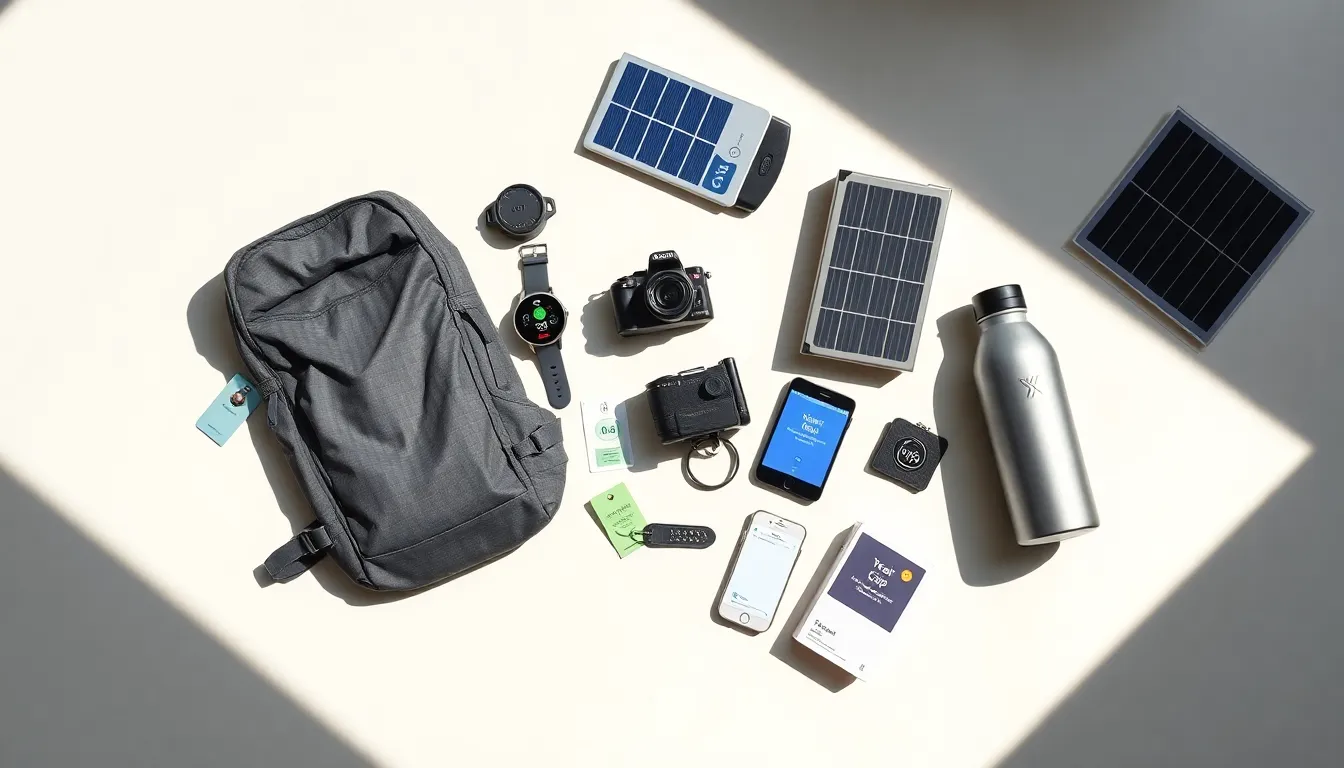
Gear recommendations trends 2026 reflect a shift in how consumers choose equipment across outdoor, tech, and lifestyle categories. Buyers want products that perform well, last longer, and align with their values. This year brings clear patterns: sustainability, smart features, modular designs, and budget-conscious options dominate the market. Whether someone shops for camping gear, fitness equipment, or everyday tech accessories, these trends shape what manufacturers produce and what reviewers recommend. Here’s a breakdown of the gear recommendations trends 2026 that matter most.
Table of Contents
ToggleKey Takeaways
- Gear recommendations trends 2026 prioritize sustainability, with consumers favoring eco-friendly materials, repairability, and carbon footprint transparency.
- Smart technology integration—including GPS, AI, and app connectivity—enhances performance in outdoor, fitness, and safety gear without compromising privacy.
- Lightweight and modular designs dominate, allowing users to adapt gear to different situations and extend product lifespans through upgradeable components.
- Budget-friendly options deliver strong performance as direct-to-consumer brands and improved entry-level gear close the gap with premium products.
- Subscription, rental, and certified refurbished markets offer affordable access to quality gear without full ownership costs.
- The best gear recommendations in 2026 balance upfront price, durability, and long-term value rather than focusing on sticker price alone.
Sustainability Takes Center Stage
Sustainability has moved from marketing buzzword to purchasing priority. Gear recommendations trends 2026 show that eco-conscious materials now drive product development across industries. Consumers actively seek gear made from recycled plastics, organic fabrics, and responsibly sourced metals.
Major brands have responded. Outdoor equipment companies now use recycled nylon in backpacks and tents. Athletic wear manufacturers blend recycled polyester with natural fibers. Even tech accessory makers package products in compostable materials instead of plastic.
Repairability matters more than ever. Buyers prefer gear they can fix rather than replace. Companies like Patagonia and Fairphone have led this charge for years. In 2026, more brands offer replacement parts, repair guides, and extended warranties. This shift reduces waste and builds customer loyalty.
Carbon footprint transparency also influences gear recommendations trends 2026. Some manufacturers now print carbon impact data on packaging. Others provide QR codes linking to detailed environmental reports. Shoppers use this information to compare products and make informed decisions.
Second-hand and refurbished gear markets continue to grow. Platforms dedicated to pre-owned outdoor equipment, electronics, and sporting goods see record traffic. Certified refurbished programs from original manufacturers give buyers confidence in used products.
For 2026, the gear that earns top recommendations combines performance with environmental responsibility. Products that ignore sustainability lose ground to competitors who prioritize it.
Smart Technology Integration
Smart features define many gear recommendations trends 2026. Connected devices, sensors, and app integration appear in product categories that were purely analog just a few years ago.
Outdoor gear leads this transformation. GPS-enabled watches now sync with solar-powered satellite communicators. Smart water bottles track hydration and remind users to drink. Backpacks with built-in power banks charge devices on the move.
Fitness equipment embraces artificial intelligence. Home gym machines adjust resistance based on user performance data. Running shoes with embedded sensors analyze gait and suggest form corrections. Recovery tools like smart massage guns customize pressure based on muscle tension readings.
Safety improvements come through technology too. Helmets with crash detection sensors alert emergency contacts after impact. Avalanche beacons communicate with smartphones for faster rescue coordination. Wearable devices monitor vital signs and flag potential health issues during strenuous activity.
Battery technology enables this smart gear boom. Lighter, longer-lasting batteries power devices that previously drained quickly. Solar charging options extend use in remote locations. Some gear even harvests kinetic energy from movement.
Privacy concerns accompany this connectivity. Gear recommendations trends 2026 favor products with transparent data policies. Consumers want smart features without constant data collection. Brands that respect privacy earn trust and positive reviews.
The best smart gear enhances the user experience without creating complexity. Products that require constant app management frustrate users. Those that work seamlessly in the background earn the strongest recommendations.
Lightweight and Modular Designs
Weight reduction shapes gear recommendations trends 2026 across every category. Ultralight backpacking has influenced mainstream product design. Consumers now expect lighter options without sacrificing durability.
Material science drives these improvements. Advanced carbon fiber composites appear in tent poles, bike frames, and camera tripods. New textile weaves create strong fabrics at lower weights. Titanium replaces steel in fasteners and cookware.
Modular design complements the lightweight trend. Buyers want gear that adapts to different situations. A backpack with removable compartments serves commuters and weekend hikers. A camera rig with swappable components works for video, photography, and live streaming.
This modularity extends product lifespans. Instead of buying entirely new gear, users purchase upgrade components. A sleeping bag system might include interchangeable insulation layers for different seasons. A tool kit might offer attachments that expand functionality over time.
Packability matters too. Gear recommendations trends 2026 highlight products that compress small and deploy quickly. Inflatable camping furniture, collapsible water containers, and foldable solar panels appeal to space-conscious consumers.
Manufacturers balance weight savings against durability carefully. Ultralight gear that fails under normal use earns negative reviews quickly. The products that succeed cut weight through smart engineering, not by reducing quality.
Consumers benefit from competition in this space. Lighter, more versatile gear appears at multiple price points. What was premium ultralight technology five years ago now exists in mid-range products.
Budget-Friendly Performance Options
Value-oriented products dominate gear recommendations trends 2026. Economic pressures push consumers toward gear that delivers strong performance without premium prices.
Direct-to-consumer brands disrupt traditional retail. These companies cut out middlemen and pass savings to buyers. Many offer quality comparable to established brands at 30-40% lower prices. Social media reviews help shoppers discover these alternatives.
Entry-level gear has improved dramatically. Budget tents now feature waterproof ratings and ventilation systems that matched high-end models a decade ago. Affordable fitness trackers offer heart rate monitoring, sleep analysis, and GPS that rival expensive competitors.
Subscription and rental models provide access without ownership costs. Outdoor gear libraries let members borrow equipment for specific trips. Camera rental services allow photographers to test expensive lenses before buying. These options suit consumers who use specialized gear occasionally.
Gear recommendations trends 2026 emphasize cost-per-use calculations. A $200 jacket worn 100 times beats a $50 jacket replaced after 20 wears. Reviewers help consumers understand long-term value rather than just sticker price.
Used gear markets offer another budget path. Platforms with buyer protection and condition ratings reduce risk. Some consumers prefer gently used premium gear over new budget options.
Brands respond to price sensitivity with tiered product lines. A company might offer basic, standard, and premium versions of popular products. Each tier targets different budgets while maintaining brand quality standards.
Smart shopping in 2026 means researching options across price points. The best gear recommendations balance upfront cost, expected lifespan, and feature set.

