
Parenting wisdom trends 2026 are reshaping how families approach child-rearing in meaningful ways. Parents today face new challenges and opportunities that previous generations never encountered. From intentional parenting methods to mental health awareness, the landscape continues to shift. This guide breaks down the key parenting wisdom trends 2026 that every modern parent should understand. Whether they’re raising toddlers or teenagers, these insights offer practical value for families ready to adapt and thrive.
Table of Contents
ToggleKey Takeaways
- Parenting wisdom trends 2026 emphasize intentional parenting, where families make deliberate choices aligned with their core values rather than defaulting to autopilot.
- Screen time guidance has evolved beyond simple limits—parents now focus on content quality, co-viewing, and teaching digital literacy alongside traditional skills.
- Mental health awareness is central to modern parenting, with families treating emotional well-being as seriously as physical health and normalizing open conversations about feelings.
- Parental self-care is now recognized as essential, not selfish—parents who prioritize their own mental health are better equipped to support their children.
- Community-based parenting is making a comeback through childcare co-ops, support circles, and multigenerational living arrangements that reduce isolation and burnout.
The Rise of Intentional Parenting Practices
Intentional parenting has become one of the most significant parenting wisdom trends 2026 has to offer. This approach requires parents to make deliberate choices about how they raise their children rather than defaulting to autopilot.
What does intentional parenting look like in practice? Parents set clear goals for their family values. They choose activities that align with those values. They say “no” to obligations that don’t serve their family’s well-being.
Research supports this shift. Studies show that children thrive when parents provide consistent, purposeful guidance. The American Psychological Association has noted that intentional parenting reduces anxiety in both parents and children.
Some key elements of intentional parenting include:
- Value identification: Families define what matters most to them
- Scheduled unplugged time: Dedicated hours without devices
- Reflective conversations: Regular check-ins about emotions and experiences
- Boundary setting: Clear limits that protect family priorities
This parenting wisdom trend reflects a broader cultural move away from “busy” as a status symbol. Parents in 2026 are choosing depth over breadth in their family experiences. They’re learning that doing less, but doing it well, creates stronger connections with their children.
Technology and Screen Time: Finding the Right Balance
Screen time remains a hot topic among parenting wisdom trends 2026 discussions. But the conversation has matured beyond simple time limits.
Modern parents now focus on screen quality rather than just quantity. A child watching an educational documentary differs vastly from one scrolling social media for hours. Parents are learning to distinguish between passive consumption and active engagement.
The latest guidelines from pediatric experts emphasize context. They recommend:
- Co-viewing content with children when possible
- Discussing what kids watch and play
- Using parental controls thoughtfully
- Modeling healthy device habits
Parenting wisdom trends 2026 also highlight the importance of “tech-free zones” in homes. Many families designate bedrooms and dinner tables as device-free spaces. This simple boundary creates natural opportunities for face-to-face interaction.
Interestingly, some parents are embracing technology as a parenting tool rather than fighting it entirely. Apps that track mood, encourage gratitude journaling, or help family communication have gained popularity. The key lies in using technology with intention, there’s that word again, rather than letting it use the family.
Children born after 2020 have never known a world without smartphones. Fighting technology entirely isn’t realistic. Smart parents in 2026 teach digital literacy alongside reading and math. They prepare their kids to thrive in a connected world while protecting their mental health.
Mental Health Awareness in Family Dynamics
Mental health awareness stands out as perhaps the most important of all parenting wisdom trends 2026. Parents are finally treating emotional well-being with the same seriousness as physical health.
This shift shows up in everyday conversations. Parents ask their children “How are you feeling?” instead of just “How was school?” They validate emotions rather than dismissing them. Phrases like “It’s okay to feel sad” have replaced “Stop crying.”
Therapy for children has lost much of its stigma. Parents now view counseling as a proactive tool, not a last resort. School counselors report increased engagement from families seeking support.
Parenting wisdom trends 2026 also emphasize parental mental health. Parents can’t pour from an empty cup. Taking care of one’s own emotional needs isn’t selfish, it’s essential. More parents are:
- Seeking their own therapy
- Practicing mindfulness and stress reduction
- Setting boundaries with work and extended family
- Building support networks with other parents
Another notable development involves open discussions about anxiety and depression with age-appropriate language. Parents teach children that mental health challenges are common and treatable. This openness reduces shame and encourages kids to speak up when they struggle.
The data backs this approach. Children who grow up discussing mental health openly show better emotional regulation and stronger coping skills as teenagers and adults.
Community-Based and Collaborative Parenting Approaches
The “it takes a village” philosophy has gained new life among parenting wisdom trends 2026. Parents are building communities instead of going it alone.
This looks different for every family. Some join formal parenting groups. Others create informal networks with neighbors and friends. Many use online communities to connect with parents facing similar challenges.
Collaborative parenting takes several forms:
- Childcare co-ops: Parents take turns watching each other’s children
- Meal trains: Neighbors cook for families during stressful times
- Skill sharing: One parent teaches piano while another coaches soccer
- Emotional support circles: Regular gatherings to discuss parenting challenges
Parenting wisdom trends 2026 show that isolated parenting leads to burnout. Parents who build strong support systems report higher satisfaction and lower stress levels. Their children benefit from exposure to different adults and parenting styles.
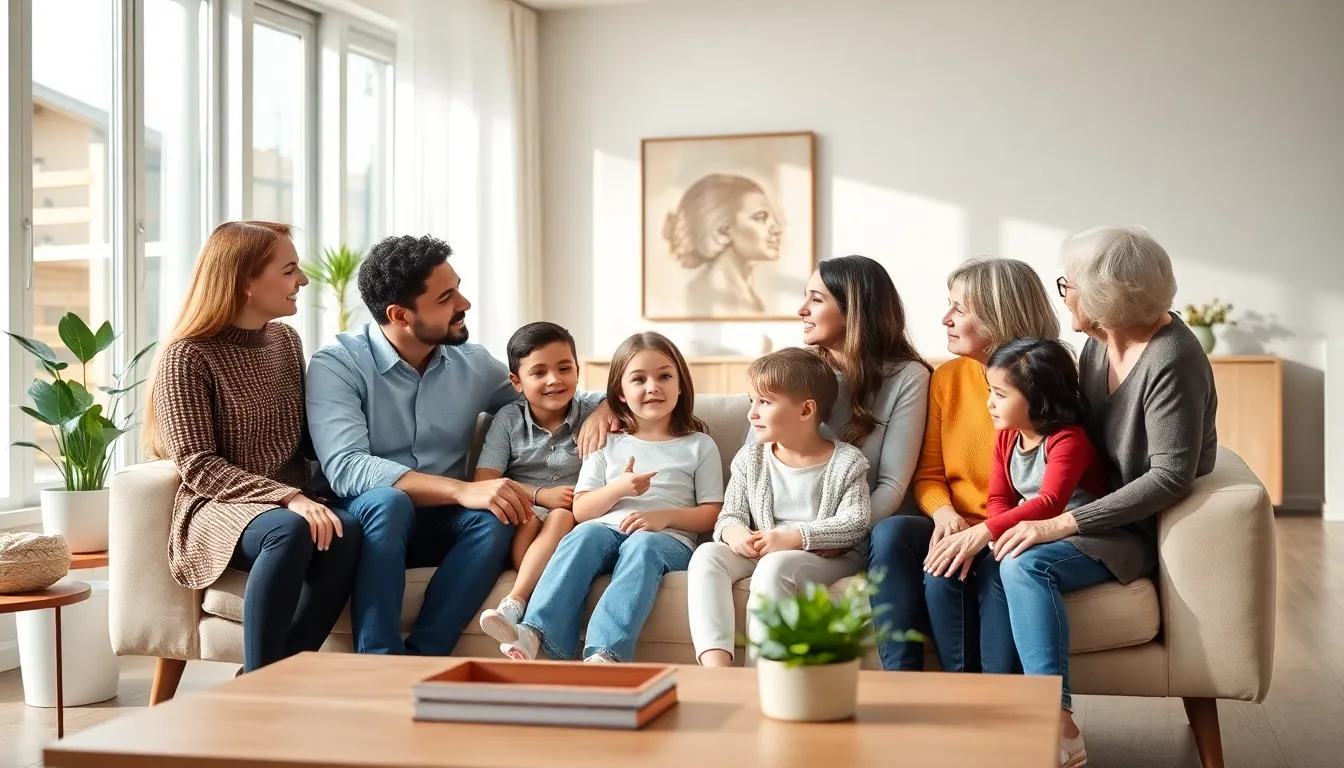
Multigenerational households have also increased. Grandparents living with or near their grandchildren provide practical help and pass down family wisdom. This arrangement benefits everyone involved, children gain stability, parents get support, and grandparents find purpose.
The pandemic years taught families hard lessons about isolation. Parents in 2026 remember those challenges. They’re actively working to create the connections that protect families during difficult times.

