
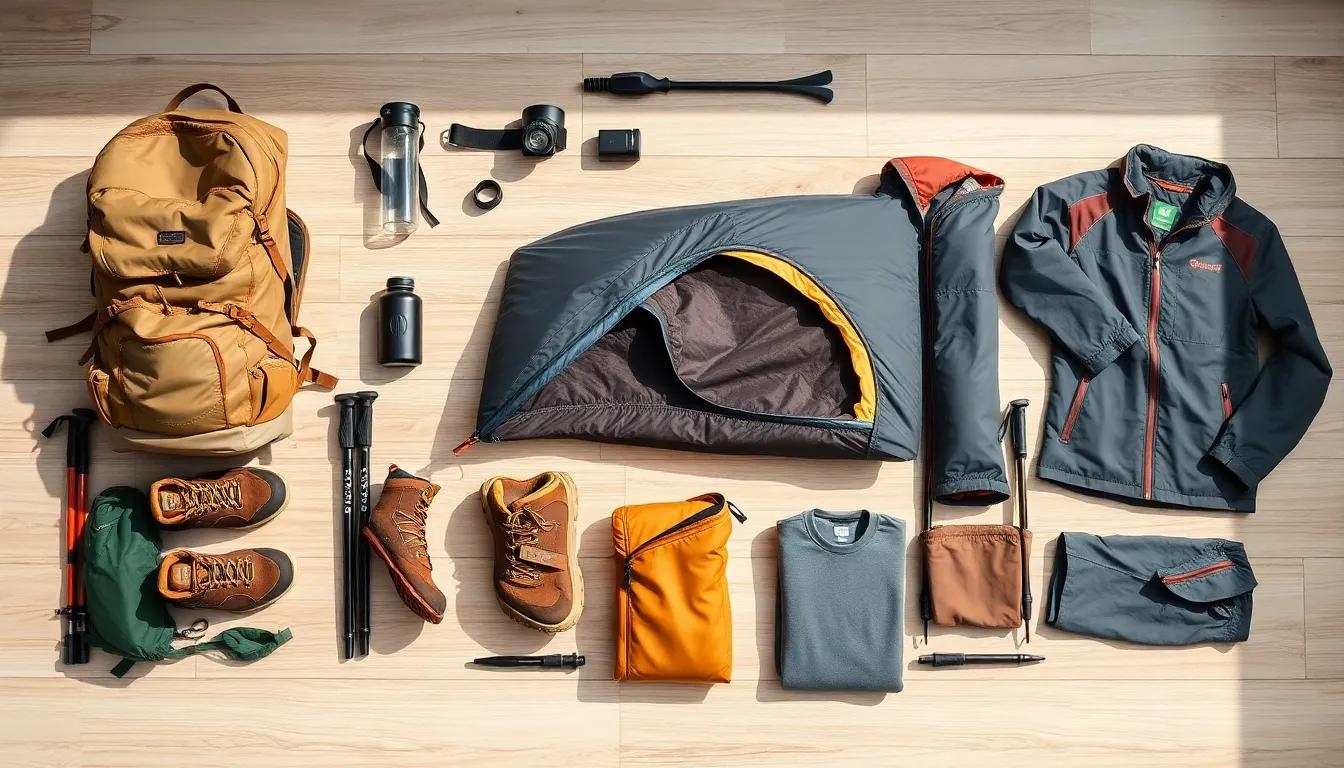
Finding the right top gear recommendations can make or break an outdoor adventure. Whether someone plans a weekend hike, a kayaking trip, or a winter camping expedition, the equipment they choose matters. Good gear keeps adventurers safe, comfortable, and ready for whatever nature throws their way. This guide breaks down the best gear picks across different activities and budgets. From first-time campers to seasoned explorers, these recommendations will help anyone gear up with confidence.
Table of Contents
ToggleKey Takeaways
- Top gear recommendations for beginners should focus on versatile essentials like a quality backpack, proper footwear, and a layering system.
- A three-season tent, temperature-rated sleeping bag, and sleeping pad form the foundation of any camping sleep system.
- Water activities require a properly fitted personal flotation device (PFD) and dry bags to protect valuables from water damage.
- Cold weather gear priorities include down or synthetic insulation, waterproof gloves, moisture-wicking socks, and proper head coverage.
- Budget-conscious adventurers can find quality gear through used marketplaces, end-of-season sales, and reputable store brands.
- Renting gear before buying allows you to test equipment and saves money on activities you’ll only do occasionally.
Essential Outdoor Gear for Beginners
Starting an outdoor hobby doesn’t require spending thousands of dollars. Beginners should focus on a few core items that work across multiple activities.
A quality backpack sits at the top of any gear list. For day trips, a 20-30 liter pack offers enough space for water, snacks, and extra layers. Look for padded shoulder straps and a hip belt, these features distribute weight and reduce fatigue.
Proper footwear comes next. Trail runners work well for light hikes and casual outdoor activities. They’re lighter than traditional hiking boots and require no break-in period. For rougher terrain, mid-cut hiking boots provide ankle support and better traction.
Layering basics matter too. A moisture-wicking base layer, an insulating mid-layer, and a waterproof outer shell form the foundation of any outdoor wardrobe. This system lets adventurers adjust to changing conditions without overpacking.
Other beginner essentials include:
- A headlamp with extra batteries
- A first aid kit
- A reusable water bottle or hydration bladder
- Sun protection (hat, sunglasses, sunscreen)
These top gear recommendations give newcomers a solid starting point without overwhelming them with options.
Must-Have Gear for Hiking and Camping
Hiking and camping demand specific gear that handles overnight stays and extended time on the trail.
Shelter and Sleep Systems
A three-season tent suits most camping needs. These tents handle spring, summer, and fall conditions while staying lightweight enough for backpacking. Two-person tents typically weigh between 3-5 pounds and offer enough room for one person plus their gear.
Sleeping bags rated for the expected temperature range keep campers warm through the night. A 20°F (-6°C) bag handles most three-season conditions. Pair it with a sleeping pad, the pad provides insulation from cold ground and adds comfort.
Trail Navigation and Safety
A reliable GPS device or smartphone with offline maps prevents getting lost. Paper maps and a compass serve as backups when batteries die. Trekking poles reduce knee strain on descents and improve stability on uneven ground.
Camp Kitchen Essentials
A compact stove, fuel canister, and lightweight cookware let campers prepare hot meals. Freeze-dried meals save weight and cook quickly. Don’t forget a bear canister or hanging system for food storage in wildlife areas.
These top gear recommendations cover the basics for safe, comfortable nights under the stars.
Best Gear for Water Activities
Water sports bring unique gear requirements focused on safety, buoyancy, and quick-drying materials.
Kayaking and Paddleboarding
A properly fitted personal flotation device (PFD) is non-negotiable. Modern PFDs designed for paddling allow full arm movement while keeping wearers safe. Look for models with pockets for small essentials.
Paddles should match the activity and the user’s height. Longer paddles suit wider kayaks and taller paddlers. Carbon fiber paddles cost more but reduce arm fatigue on long outings.
Dry bags protect phones, wallets, and extra clothing from water damage. A 10-20 liter dry bag handles most day-trip needs.
Swimming and Snorkeling
Quality goggles or a snorkel mask with tempered glass lenses provide clear underwater vision. Anti-fog coatings extend usability. Fins improve swimming efficiency and let snorkelers cover more area with less effort.
Rash guards protect skin from sun exposure and minor abrasions. They dry quickly and work well as standalone tops or under wetsuits.
General Water Gear Tips
Water shoes with drainage holes protect feet from rocks and hot sand. Quick-dry shorts and shirts eliminate the soggy, uncomfortable feeling between activities. These top gear recommendations help water enthusiasts stay safe and comfortable all day.
Cold Weather Gear Essentials
Cold weather adventures demand specialized equipment that retains heat and blocks wind and moisture.
Insulation Layers
Down jackets offer the best warmth-to-weight ratio for cold conditions. A 650-800 fill power jacket packs small and provides serious warmth. Synthetic insulation works better in wet environments since it retains warmth when damp.
Fleece mid-layers trap body heat effectively. They breathe well during activity and dry quickly after sweating.
Extremity Protection
Hands and feet lose heat fastest in cold conditions. Insulated gloves with waterproof membranes keep fingers functional. Liner gloves underneath add warmth and allow dexterity for tasks like adjusting zippers.
Wool or synthetic socks wick moisture and retain heat. Cotton socks should stay home, they hold sweat and lead to cold, blistered feet. Insulated boots rated for expected temperatures complete the foot system.
Head and Face Coverage
A warm beanie covers ears and prevents significant heat loss through the head. Balaclavas or neck gaiters protect the face and neck from wind and snow. Ski goggles shield eyes from blowing snow and harsh glare.
Additional Cold Weather Gear
Hand and toe warmers provide backup heat during extreme conditions. An insulated water bottle sleeve prevents drinking water from freezing. These top gear recommendations ensure cold weather doesn’t cut adventures short.
How to Choose Quality Gear on a Budget
Great gear doesn’t always require a premium price tag. Smart shopping strategies help adventurers find top gear recommendations without emptying their wallets.
Buy Used and Refurbished
Outdoor gear holds up well over time. Platforms like REI’s used gear section, Facebook Marketplace, and Patagonia’s Worn Wear program sell quality items at steep discounts. Inspect zippers, seams, and fabric condition before buying.
Shop End-of-Season Sales
Retailers clear inventory when seasons change. Winter gear goes on sale in March and April. Summer gear drops in price during fall. Waiting a few months can save 30-50% on identical items.
Prioritize Core Items
Spend more on items that affect safety and comfort. Footwear, sleeping bags, and rain jackets deserve higher budgets. Accessories like stuff sacks and camp chairs can come from budget brands without sacrifice.
Consider Store Brands
REI Co-op, Decathlon, and similar store brands produce quality gear at lower prices than premium competitors. They often use the same materials and construction methods as more expensive options.
Rent Before Buying
Many outdoor shops rent gear for weekend trips. Renting lets adventurers test equipment before committing to a purchase. It also makes sense for activities they’ll only do occasionally.
These strategies help anyone build a solid gear collection over time without financial stress.

